









Local Anaesthetic Hypersensitivity
Also known as: Local Anesthetic Allergy
Local anaesthetic hypersensitivity is a reaction to local anaesthetic drugs. Most reported reactions are not allergic, and true allergy is rare, with fewer than 1% of cases confirmed.
Pathophysiology. Local anaesthetics are esters (procaine, benzocaine, tetracaine, chloroprocaine) or amides (lidocaine, bupivacaine, mepivacaine, ropivacaine, prilocaine, articaine). Esters are metabolised to para aminobenzoic acid and cause more allergy. Amides rarely cause true allergy.
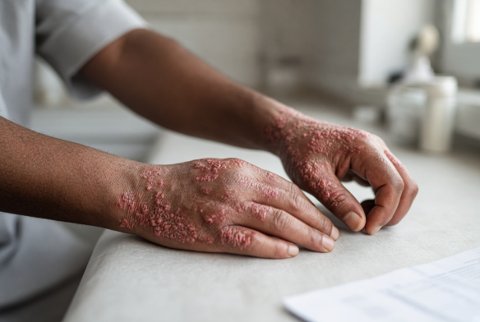
Most symptoms come from anxiety, vasovagal reactions, adrenaline in the preparation (palpitations, tremor), systemic toxicity, or preservatives (methylparaben, sulphites). Delayed contact dermatitis (type IV) occurs with topical use.
Cross-reactivity occurs within the ester group and not between esters and amides. Cross-reactivity within amides is uncommon.
