











Mosquito Bite Hypersensitivity
Also known as: Skeeter Syndrome
Exaggerated local or systemic reaction to mosquito saliva proteins (Aedes, Culex, Anopheles), well beyond the usual small itchy weal.
- Normal course of exposure: sensitisation, then an immediate weal at 15 to 30 minutes, a delayed papule at 12 to 24 hours, and finally tolerance after repeated exposure. Visitors and young children react more than long term residents.
- Forms:
- Large local reactions (skeeter syndrome): swelling over 5 to 10 cm, redness, warmth, pain and sometimes low fever within hours of a bite, mimicking cellulitis. Common in infants, young children and visitors to endemic areas.
- Bullous and necrotic reactions.
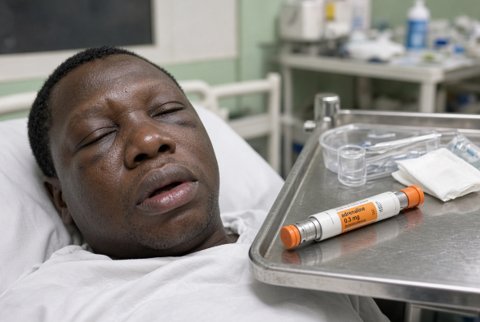
- Anaphylaxis: rare, but reported with mosquito saliva IgE sensitisation.
- Hypersensitivity to mosquito bites associated with Epstein-Barr virus: severe, necrotic, ulcerating bites, high fever, lymphadenopathy and hepatosplenomegaly, mainly in East Asian children and young adults, with chronic active Epstein-Barr virus infection and NK or T cell lymphoproliferative disease. It can progress to haemophagocytic lymphohistiocytosis and lymphoma.
- Higher risk: atopy, immunosuppression, haematological malignancy (chronic lymphocytic leukaemia) and HIV.
