








Chigger Bites
Also known as: Trombiculosis, Harvest Mite Bites
Chiggers are the six legged larvae of trombiculid mites (Trombicula, Neotrombicula, Eutrombicula, Leptotrombidium). Only the larval stage feeds on vertebrates. Nymphs and adults are free living predators.
- The larva attaches to skin and injects digestive saliva that dissolves epidermal and dermal cells. The host reaction forms a feeding tube (stylostome). The larva feeds on this liquefied tissue and does not suck blood, and it does not burrow or live in the skin.
- Exposure occurs in grass, scrub, woodland, gardens, fields and damp vegetation, mainly in warm months. Hikers, campers, farmers, soldiers and children are most affected.
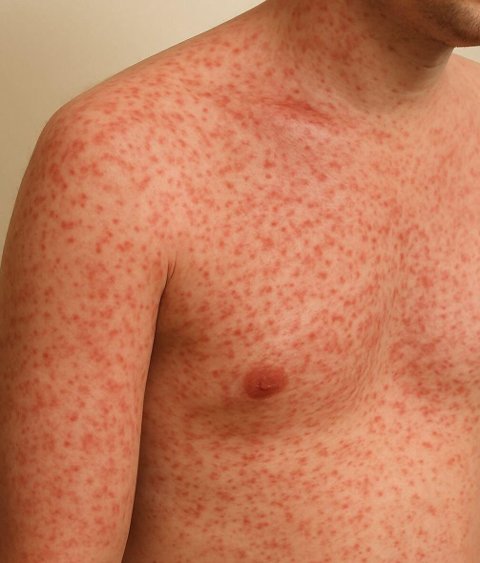
- The itch is a delayed hypersensitivity reaction to the saliva and often starts after the larva has already dropped off, so the bite is rarely found.
- In Asia, the western Pacific and northern Australia, Leptotrombidium larvae transmit Orientia tsutsugamushi (scrub typhus), which causes a serious febrile illness.
