









Stool Culture and Enteric Pathogen Testing
Stool testing for enteric pathogens finds the bacterial, viral and protozoal causes of acute and persistent diarrhoea. Bacterial culture grows organisms on selective media (Salmonella, Shigella, Campylobacter, Escherichia coli O157 and others) and allows antibiotic susceptibility testing. Molecular multiplex panels detect the nucleic acid of 10 to 25 bacteria, viruses and parasites in one run in about one hour. Antigen assays detect norovirus, rotavirus, adenovirus, Giardia and Cryptosporidium.
The test is used to identify the cause of severe, prolonged, bloody or outbreak related diarrhoea, to direct treatment where antibiotics are indicated, and to support public health notification. Most acute diarrhoea is viral and self-limiting, and testing is not needed.
Diarrhoeal disease is the third leading cause of death in children under 5 years, with about 500 000 deaths a year, mostly in low income countries. Norovirus is the commonest cause of acute gastroenteritis in adults, and Campylobacter the commonest bacterial cause in many countries. In travellers, enterotoxigenic Escherichia coli is the leading pathogen.
Indications. Bloody diarrhoea, fever with diarrhoea, severe dehydration, diarrhoea over 7 days, recent hospital admission or antibiotic use (for Clostridioides difficile), immunocompromise, suspected outbreak or food handler, returned traveller, and suspected haemolytic uraemic syndrome. Routine testing in mild acute diarrhoea is not indicated.
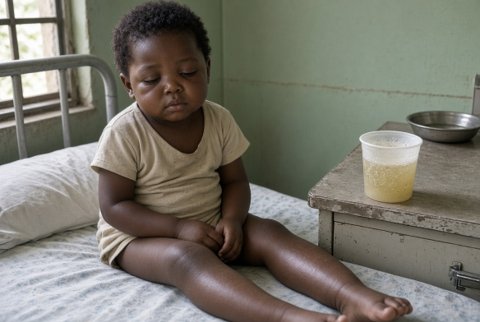
Specimen. Fresh liquid or soft stool, 2 to 5 mL or a walnut sized portion, collected in a clean leak proof container, avoiding urine and water. Transport to the laboratory within 2 hours, or place in a transport medium (Cary-Blair for bacterial culture). Rectal swab is acceptable in infants. Do not use stool from a bedpan with disinfectant. Formed stool is rejected for culture unless the clinical details justify it.
