
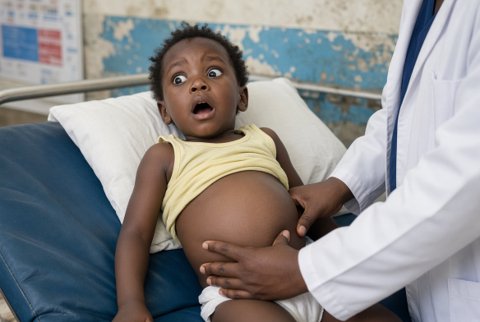











Transfusion-Associated Circulatory Overload
Transfusion associated circulatory overload is acute cardiogenic pulmonary edema from volume load during or within 12 hours of a transfusion. The circulation cannot handle the infused volume or rate, so hydrostatic pulmonary edema results. Incidence is about 1% of transfused patients and up to 5 to 10% in critically ill patients, and it is a leading cause of transfusion-related death along with transfusion-related lung injury. It is underrecognized.
Risk factors
- Age over 70 years and infancy
- Heart failure, valvular disease, renal failure and severe anemia (chronic anemia has an expanded plasma volume)
- Positive fluid balance and concurrent IV fluids
- Rapid transfusion (over 2 to 4 mL/kg/h), large volumes, and plasma products
- Low albumin and pulmonary disease, and perioperative and obstetric settings
Pathophysiology: acute volume expansion raises left atrial pressure, so fluid crosses into alveoli, and large volumes of plasma carry colloid that may also raise oncotic pressure with later shifts. Recovery is usually fast with treatment, but mortality is about 5 to 15% in severe cases. Complications: respiratory failure, arrhythmia, myocardial ischemia and death.
