

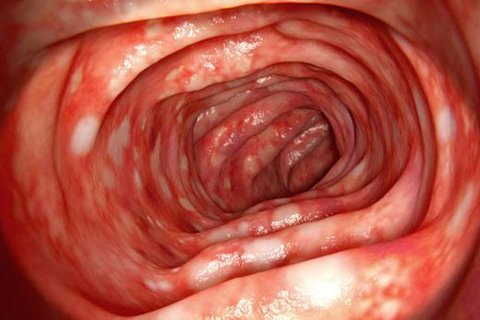










Very-Early-Onset Inflammatory Bowel Disease
Also known as: VEO-IBD
Very-early-onset inflammatory bowel disease is chronic intestinal inflammation with onset before 6 years of age. It includes infantile onset disease (before 2 years) and neonatal onset disease, which are more likely to have a monogenic cause.
It makes up about 5 to 6% of paediatric inflammatory bowel disease, and the incidence is rising. Colitis is the commonest phenotype, followed by Crohn type disease and unclassified disease. Perianal disease, severe growth failure, and poor response to conventional treatment are frequent.
Monogenic causes include defects in interleukin-10 signalling (IL10, IL10RA, IL10RB), XIAP deficiency, chronic granulomatous disease, FOXP3 deficiency, and others involving epithelial barrier function and immune regulation. More than 80 genes have been implicated.
Pathophysiology.
Genetic defects cause a loss of mucosal immune tolerance or epithelial barrier integrity, producing uncontrolled inflammation to gut flora. Some defects are haematopoietic, others epithelial.
Polygenic risk, microbiome changes and environmental factors contribute in later onset disease.
