








Anterior Cruciate Ligament Tear
Also known as: ACL Tear, ACL Rupture
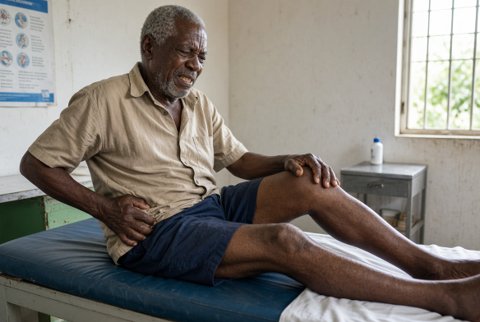
The anterior cruciate ligament resists anterior tibial translation and rotatory stress through its anteromedial and posterolateral bundles. Rupture affects about 30 to 80 per 100,000 people a year, concentrated in pivoting sports at ages 15 to 35. Female athletes carry a 2 to 8 times higher risk than males. About 70% of tears are non-contact, from deceleration, landing or a pivot with the knee near full extension and valgus.
Tears are graded 1 (sprain), 2 (partial) and 3 (complete). Associated injuries:
- Lateral meniscal tear in the acute setting and medial meniscal tear in chronic instability
- Bone bruises of the lateral femoral condyle and posterolateral tibial plateau
- Medial collateral ligament injury
- Segond fracture (lateral capsular avulsion of the tibia, which signals an anterior cruciate tear)
Osteoarthritis develops in 20 to 50% within 10 to 20 years whether or not the knee is reconstructed. After reconstruction, graft re-rupture occurs in 5 to 10% and contralateral rupture in 5 to 10%.
