









Bagassosis
Also known as: Bagasse Lung
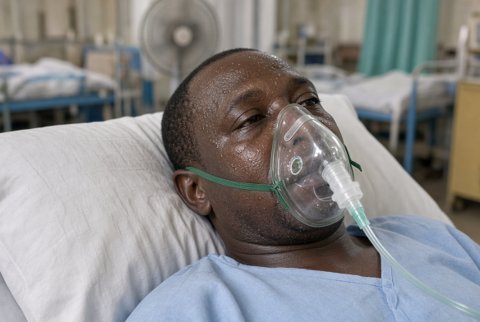
Bagassosis is hypersensitivity pneumonitis caused by inhaling mouldy bagasse, the fibrous residue left after sugar cane crushing, which is used for paper, board and fuel. The antigen is thermophilic actinomycetes, principally Thermoactinomyces sacchari (also Thermoactinomyces vulgaris, Saccharopolyspora rectivirgula), which grow in stored damp bagasse at 40 to 60 degrees C. Sugar mills in western Kenya, and bagasse board and paper plants, are potential settings.
Sensitised workers develop a type III and IV immune reaction in the lung. Acute disease follows heavy exposure; subacute and chronic forms follow repeated lower exposure and can progress to fibrosis with honeycombing and upper lobe predominance. Early disease resolves after removal from antigen. Fewer than 5 percent of exposed workers are affected.
