








Blood Cultures
Blood culture detects viable bacteria and fungi in the bloodstream. It is the reference test for bacteraemia, fungaemia, sepsis, endocarditis, and many deep seated infections.
Blood is drawn aseptically and inoculated into aerobic and anaerobic broth bottles. These are incubated in a continuous monitoring instrument that signals growth by detecting carbon dioxide. A positive bottle prompts immediate Gram stain, rapid identification by mass spectrometry or molecular panels, and antimicrobial susceptibility testing.
The test gives the cause of sepsis, guides antimicrobial choice, and identifies the source of infection. Early, correct antibiotic therapy within the first hour of septic shock reduces mortality, so cultures must be drawn without delaying treatment.
Sepsis affects about 49 million people and causes 11 million deaths a year worldwide. Bloodstream infection is found in 30 to 40% of patients with severe sepsis and septic shock, and in about 10% of those with hospitalised pneumonia.
Staphylococcus aureus, Escherichia coli, Klebsiella, Streptococcus pneumoniae, enterococci and Pseudomonas are the commonest organisms. In sub-Saharan Africa, non-typhoidal Salmonella, Salmonella Typhi, and Streptococcus pneumoniae are especially important in children and HIV patients.
Indications. Any of the following:
- Fever over 38 °C or hypothermia under 36 °C with signs of sepsis, rigors, hypotension, or unexplained tachycardia or tachypnoea.
- Suspected endocarditis, osteomyelitis, septic arthritis, meningitis, or intravascular catheter infection.
- Pneumonia needing admission, neutropenic fever, fever in a transplant or immunosuppressed patient, or fever of unknown origin.
- Unexplained confusion or deterioration in an older adult.
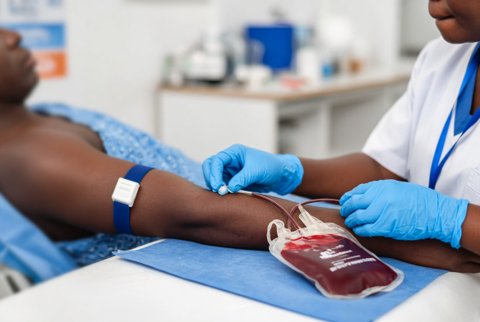
Specimen. Use venepuncture at two separate sites, 2 to 3 sets (one set is an aerobic plus an anaerobic bottle). Adults need at least 8 to 10 mL of blood in each bottle (20 to 30 mL per set). Children need 1 to 5 mL by weight. Blood volume is the most important factor in sensitivity, with a 3% increase in yield for each additional mL.
Disinfect the skin with chlorhexidine in alcohol (allow it to dry for 30 seconds) and the bottle tops with alcohol, and use gloves. Draw before antibiotics when possible, but not at the cost of delaying treatment. Do not draw through an existing intravascular line unless suspecting line infection, and then send paired central and peripheral cultures. Deliver to the laboratory promptly (within 2 hours, room temperature, never refrigerated).
