NiajeDoc Atlas
Back

Brucellosis

Also known as: Undulant fever, Malta fever
Brucellosis

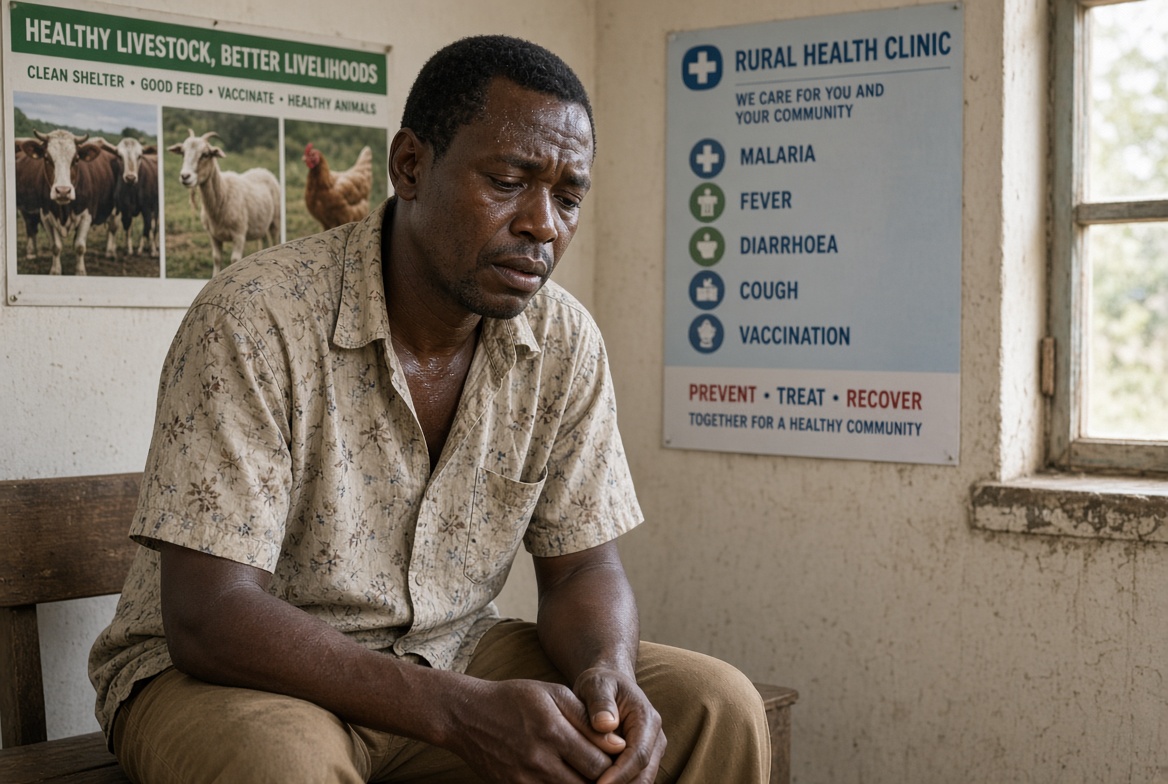
Brucellosis is a zoonotic bacterial infection caused by Brucella species, acquired through direct contact with infected animals or their tissues (particularly relevant to farmers, veterinarians, and abattoir workers) or through consumption of unpasteurized dairy products, the latter representing the dominant route of acquisition in many endemic regions and an important public health target for prevention.

The organism is an intracellular pathogen, surviving and replicating within host macrophages, which contributes to both its capacity to cause chronic, relapsing disease and the specific antibiotic regimens (favoring agents with good intracellular penetration) required for effective treatment.

Related

Clinical toolsCalculators

Latest content

Atlas’ Videos

Learn it.
Know it.
Own it.

From the newsroom

Atlas is one part of NiajeDoc.

Beyond the reference material, NDN Media Group produces explainers, interviews and health journalism for Kenyan audiences: the conversations that happen around the medicine, not just the protocols.

Explore NiajeDoc

Continue reading · Internal medicine

Shigellosis

Shigellosis is caused by Shigella species (S. sonnei, S. flexneri, S. dysenteriae, and S. boydii), gram negative, non-motile bacteria with a notably low infectious dose (as few as 10 to 100 organisms), facilitating efficient person-to-person and food/waterborne transmission.

Shigella dysenteriae type 1 produces Shiga toxin and causes the most severe disease, including a recognized risk of hemolytic uremic syndrome.