








Median Nerve Neuropathy
Also known as: Pronator Syndrome, Anterior Interosseous Nerve Syndrome
The median nerve (C5 to T1, lateral and medial cords) supplies the pronators, wrist and finger flexors (except flexor carpi ulnaris and the ulnar half of flexor digitorum profundus), the thenar muscles, and the first two lumbricals, with sensation to the palmar radial three and a half digits.
Sites of injury and compression proximal to the wrist
- Ligament of Struthers: a fibrous band running from a supracondylar process (present in 1 to 3% of people) to the medial epicondyle. The nerve and brachial artery pass beneath it.
- Bicipital aponeurosis (lacertus fibrosus).
- Pronator teres: between its two heads.
- Flexor digitorum superficialis arch: a fibrous arch between humeral and radial heads.
- Anterior interosseous nerve: arises about 5 to 8 cm distal to the elbow, purely motor, supplying flexor pollicis longus, the radial half of flexor digitorum profundus (index and often middle), and pronator quadratus.
Syndromes
- Pronator syndrome: compression at the elbow and proximal forearm. It is rare, and accounts for under 1% of median nerve entrapments.
- Anterior interosseous syndrome (Kiloh-Nevin): rare. Many apparent cases are in fact neuralgic amyotrophy with fascicular constriction.
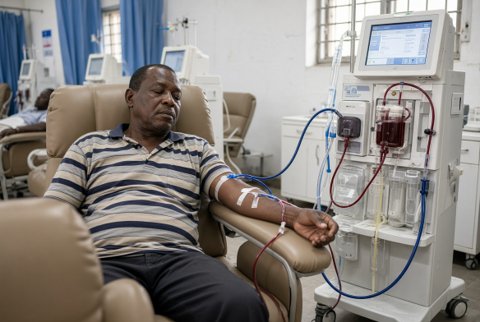
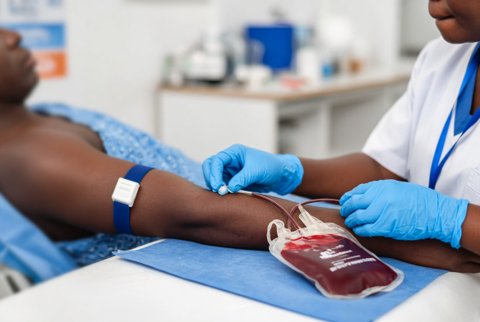
- High median nerve injury: supracondylar humerus fracture, elbow dislocation, laceration, forearm fracture, compartment syndrome, brachial artery puncture with haematoma, injections and repeat venepuncture in the antecubital fossa, and arteriovenous fistula for dialysis.
Other causes include diabetes, rheumatoid arthritis (Mannerfelt syndrome with tendon rupture in the differential), amyloidosis, gout, hypertrophied muscles, anomalous muscles (Gantzer muscle), and hereditary neuropathy with liability to pressure palsies.
Distal compression at the wrist is discussed under carpal tunnel disease and not here.
Prognosis varies. Many anterior interosseous palsies recover spontaneously over 6 to 18 months, while traumatic transections require surgery and recover slowly.
