









Negative Pressure Pulmonary Oedema
Also known as: Negative Pressure Pulmonary Edema, NPPE, Post-Obstructive Pulmonary Oedema
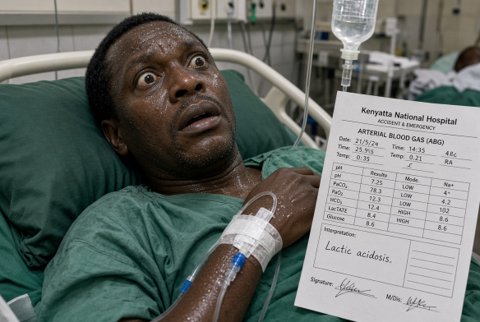
Negative pressure pulmonary oedema (NPPE) is non-cardiogenic pulmonary oedema after forceful inspiration against an obstructed upper airway, most often laryngospasm.
Epidemiology. It affects about 0.05% to 0.1% of anaesthetics, mostly in young, fit, muscular men. Type 1 follows acute obstruction (laryngospasm, biting the tube, tumour). Type 2 follows relief of chronic obstruction (tonsillectomy, upper airway tumour excision).
Pathophysiology.
Forced inspiration against a closed glottis creates intrathoracic pressure down to minus 50 to minus 100 cmH2O. This raises venous return and left ventricular afterload, increases transcapillary hydrostatic gradient, and with hypoxia damages the alveolar capillary membrane.
Hypoxia, catecholamine surge and shift of blood to the lungs add to leakage.
