



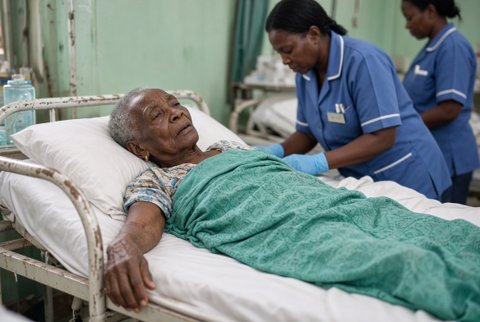








Recurarisation
Also known as: Recurarization
Recurarisation is the return of neuromuscular block after apparent recovery from reversal, usually seen as new weakness or hypoventilation in recovery or on the ward.
Epidemiology. It is uncommon with quantitative monitoring and sugammadex, and more frequent when neostigmine is given for deep block or when long acting relaxants are used.
Causes.
- Neostigmine wearing off before the relaxant (especially pancuronium) or given at too deep a block.
- Sugammadex underdosed for the depth of block, or given too early.
- Potentiating drugs: aminoglycosides, clindamycin, polymyxins, magnesium, calcium channel blockers, volatile agents.
- Hypothermia, acidosis, hypokalaemia and hypermagnesaemia.
- Re-administration of rocuronium within 24 hours of sugammadex, or displacement of sugammadex by toremifene, flucloxacillin or fusidic acid.
Pathophysiology.
Reversal agents act for a finite time. If free relaxant remains, or the sugammadex complex dissociates after drug displacement, receptors become blocked again once reversal effects wane.
