








Host Pathogen Interaction
A generalised sequence applicable across bacterial, viral, fungal, and parasitic infection, though the specific mechanisms at each stage vary by organism (developed in full in the organism-specific sections of this Atlas).
- Exposure: the host encounters the organism via a specific transmission route.
- Entry: the organism crosses a host barrier via a specific portal of entry.
- Adherence: the organism attaches to host cell or tissue surfaces, typically via adhesins.
- Colonisation: the organism establishes itself at the entry site and begins multiplying.
- Invasion: the organism penetrates beyond the initial colonisation site into deeper tissue.
- Multiplication: the organism replicates within the host, increasing in number.
- Immune evasion: the organism employs strategies to resist or subvert host immune clearance.
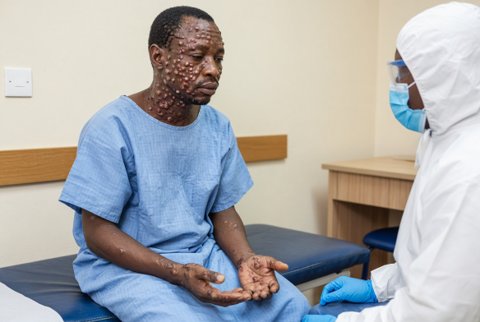
- Tissue damage: direct organism-mediated damage (toxins, enzymes) or host-mediated damage (excessive or misdirected immune response) produces the clinical manifestations of disease.
- Exit and transmission: the organism leaves the host via a portal of exit, completing the cycle by reaching a new susceptible host.
