



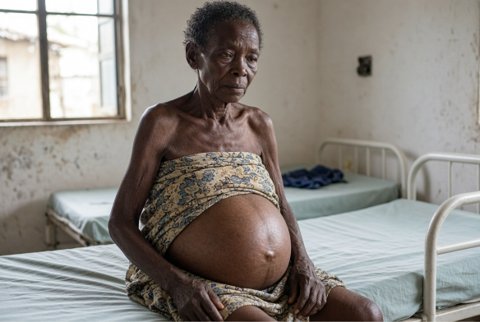








Normocytic Anaemia
Normocytic anaemia is anaemia (haemoglobin under 130 g/L in men, 120 g/L in non-pregnant women, 110 g/L in pregnancy) with a mean corpuscular volume of 80 to 100 fL. It reflects either early nutritional deficiency, loss or destruction of red cells, or underproduction by the marrow, and often has more than one cause.
- Causes of increased loss or destruction (reticulocytes raised): acute blood loss (gastrointestinal bleed, trauma, surgery, obstetric haemorrhage) and haemolysis (autoimmune haemolytic anaemia, sickle cell disease, G6PD deficiency, hereditary spherocytosis, malaria, mechanical valves, microangiopathic haemolytic anaemia, drugs).
- Causes of underproduction (reticulocytes low): anaemia of chronic disease or inflammation (infection, TB, HIV, rheumatoid arthritis, malignancy, inflammatory bowel disease), chronic kidney disease (reduced erythropoietin), endocrine disease (hypothyroidism, hypopituitarism, hypogonadism, Addison disease), early iron, B12 or folate deficiency, mixed deficiencies, bone marrow failure or infiltration (aplastic anaemia, myelodysplasia, leukaemia, lymphoma, myeloma, metastases, myelofibrosis), pure red cell aplasia (parvovirus B19), and hypersplenism.
- Dilutional anaemia of pregnancy and intravenous fluids.
- Anaemia of chronic disease is the commonest cause in hospital patients; chronic kidney disease contributes when eGFR is under 45 mL/min/1.73 m².
