

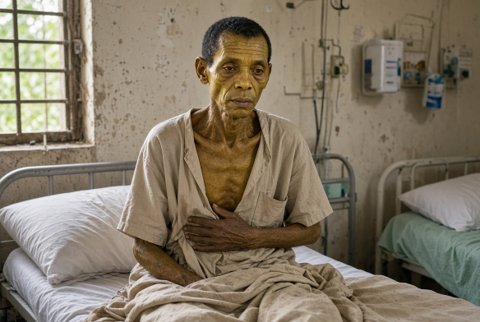










Copper Poisoning
Copper poisoning is most often acute ingestion of copper sulfate (blue vitriol, used as a fungicide, algicide, in swimming pool treatments, in Bordeaux mixture sprays and sometimes in homicide or suicide, particularly in rural South Asia). Chronic toxicity arises from contaminated water (copper pipes and acidic water) or occupational exposure (vineyard sprayer's lung, metal fumes), and is distinct from Wilson disease, which is an inherited disorder of copper excretion.
Dose: ingestion of 1 to 2 g of copper sulfate causes severe gastrointestinal symptoms, and over 10 to 20 g (about 250 mg/kg) is often fatal. Mechanisms: free copper produces oxidative damage to red cell membranes and hemoglobin (hemolysis and methemoglobinemia), and injury to hepatocytes, renal tubules and the gastrointestinal mucosa through lipid peroxidation and protein binding.
Natural history is gastrointestinal injury in the first hours, then, over 24 to 96 hours, intravascular hemolysis, hepatic necrosis with jaundice, acute kidney injury, rhabdomyolysis, shock and multi-organ failure. Mortality is 15 to 25% in significant ingestion, and rises with a late presentation. Complications: esophageal and gastric ulceration with later stricture, cardiovascular collapse, hepatic failure, renal failure and death.
